
Undergraduate Education Strategic Plan
Objective
Lead the UC system in undergraduate student success by 2030.
Goals
-
Achieve 2030 graduation rate goals
INITIATIVES PROGRESS Strategic deployment of ARC programming offerings to boost graduation rates Over the last 7 years, HESA participants that earned the program scholarship have had higher 1st to 2nd year retention rates (avg 92.7%) compared to first-year students that did not participate in HESA (avg 88.5%).
Black Student Success Initiative (BSSI)/Kessler/Pipeline programming; PPAC Set strategic, bold, data-informed goals Enhance UWP outcomes and boost first-year writing access and success Restructuring of developmental writing courses appears to have had a significant impact on reducing DFW rates in those courses, potentially by as much as 20% Increase credit hours & campus-wide seminars; online course conversions; High DFW course redesigns XCITE led R'MSI Inclusive Teaching Program with 20 faculty members. This is a two year program, and they are half-way towards redesigning their courses and addressing their faculty development needs. Strategic partnerships with campus units Build ecologies of student support Launched Retention Action Committees (RACs)
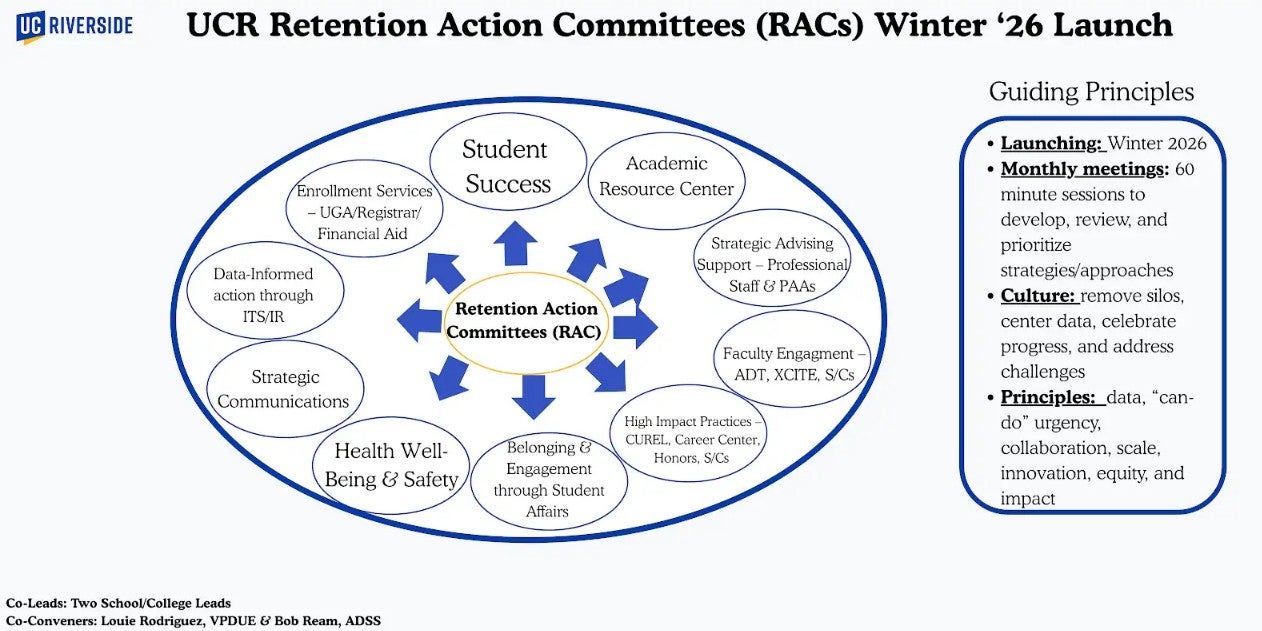
UIA projects through data-informed, intentional student support & faculty collaboration UIA Academic Recovery Initiative -
Eliminate equity gaps by 2030
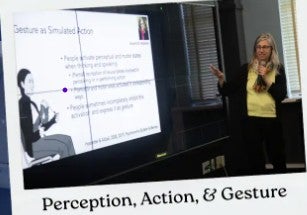
INITIATIVES PROGRESS Set strategic, bold, data-informed goals Each DUE subunit produces data in alignment with each of the five strategic goals Expand inclusive pedagogy Develop equity-focused teaching/data-informed continuous improvement/ADT engagement Academy of Distinguished Teachers (ADT) hosted a visiting scholar, Dr. Martha Alibali, on the impact of embodied learning tools (gesture, drawing) on student's learning outcomes. 50 attendees from across departments learned about best practices in using these strategies for teaching students of different knowledge levels.
DFW course redesigns through RIDLE; reduce DFW rates in general & by subgroup in UWP & campus 86% (31/36) of participants in the Accelerator Program passed a high DFW course on their second-attempt. Strategic Advising Support/Redesign Expanded Peer Academic Advising BSSI/Kessler programming/Pre-Professional Advising Center (PPAC) /Writing And Foster Youth Alliance (WAFYA)/Pipeline programs Strategic deployment of ARC programming offerings to reduce equity gaps Expand university-wide writing support Buscadores program continues to grow UIA projects through data-informed, intentional student support & faculty collaboration/promote grants for cross-institutional innovation Academic Recovery Initiative Provide expanded opportunities to increase the numbers of students participating in:
Honors
Research
Internships
Learning Communities
Community Engaged LearningThe Tilga Scholarship is enabling students who have unpaid summer internships funding to support this experience.
Global Accelerator is opening up opportunties for students to engage in internship opportunities with major corporations virtually. Students earn academic credit and do not have internship related expenses. -
Boost student participation in High Impact Practices
INITIATIVES PROGRESS Elevate community engaged learning opportunities in partnership with Schools/Colleges/Units Expand capacity of students served The Global Career Accelerator (GCA) scales work-based learning curricular experiences for UCR students from all majors and levels. Students earn badges and acquire significant workforce ready skills. Strategic partnerships between UE & existing campus structures (i.e., E&G programs, learning communities, etc.) Systematically collect data on high impact practices & other academic engagement opportunities Summary reports on PPAC, Undergraduate Research Symposium, and R'Courses Marketing/recruiting Set strategic, bold, data-informed goals -
Improve sense of inclusion, belonging, servingness, and respect, across demographics
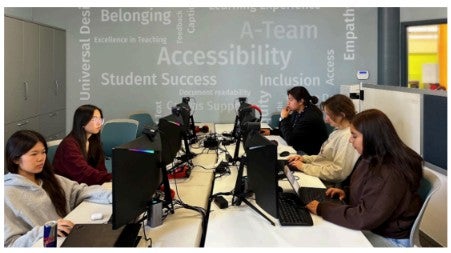
INITIATIVES PROGRESS Expand inclusive pedagogy A-Team accessibility remediation support, consisting of 12 undergraduate students, has remediated over 5,100 documents in support of equity and inclusive efforts.
BSSI/Kessler programming/WAFYA/Pipeline programs UIA projects through data-informed, intentional student support & faculty collaboration/promote grants for cross-institutional innovation Realize the various institutional identities as an R1, HSI, HSRU, AANAPISI, Seal-certified, Pell, First-Generation student serving university The first generation initiative aims to create community, and support social and professional development. The committee hosts quarterly activities, workshops and events in collaboration with other campus departments, focused on retention of first gen students here at UCR.
Scale validating practices and policies; elevate a culture of servingness across campus UWP DEI workgroup ABIDE Set strategic, bold, data-informed goals -
Improve perceived ROI and willingness to choose UCR again, across demographics
INITIATIVES PROGRESS Expand faculty use of learning outcomes XCITE has been training the faculty in RMSI on the design and use of learning outcomes in Canvas Elevate Honors program impact and reach/ARC & PPAC programming Lead a robust storytelling campaign about student success Promote community/workforce readiness & pipeline programs across UE structures Launched Career Readiness Workgroup in collaboration with the Division of Undergraduate Education, XCITE, Career Center, Student Affairs, UCR faculty, and more.